
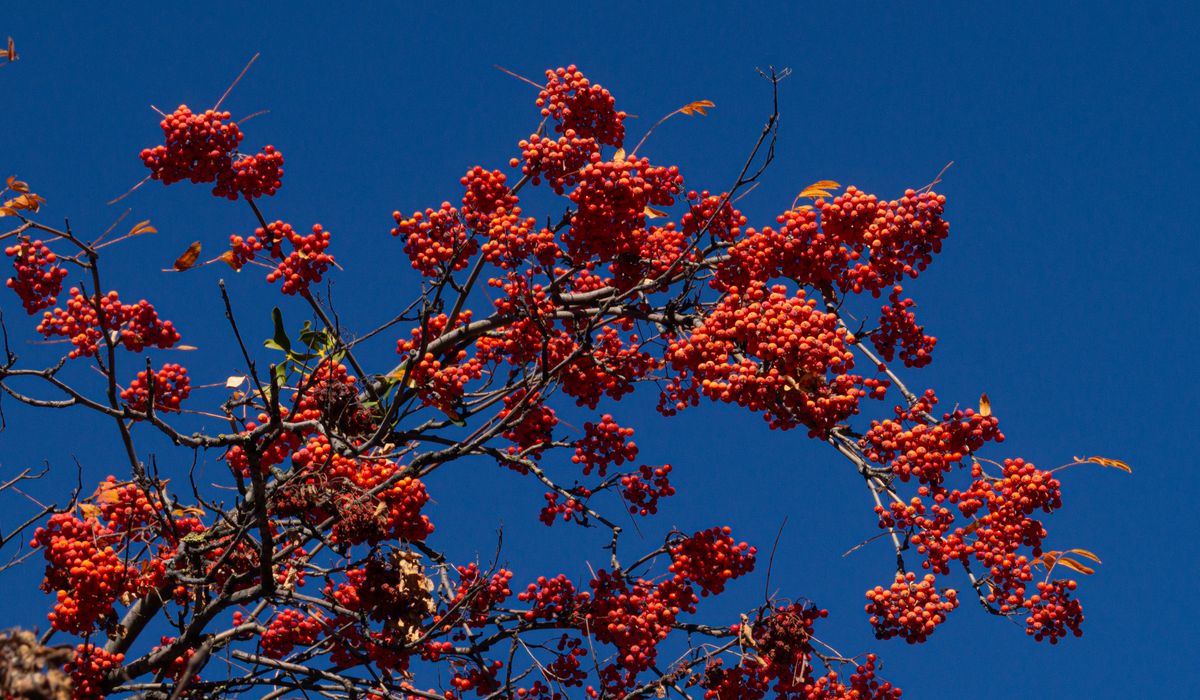
As the growing season winds down and the first frosts nip at the edges of the garden, many British gardeners pack away their trowels and settle for shop-bought leaves. But a simple cold frame can keep you in fresh, tender salads right through the darkest months. There is something deeply satisfying about stepping outside on a crisp January morning and snipping a handful of peppery land cress or succulent winter purslane. These hardy leaves shrug off the cold, and because they grow slowly in low light, their flavours often become milder and sweeter than their summer counterparts. A cold frame is not just a tool; it is a small act of defiance against the grey, and a lovely way to stay connected to the garden when everything else is dormant.
If you already have a cold frame, give it a good clean in late summer. Remove any lingering summer crops, scrub the glass or polycarbonate with warm soapy water, and check that the frame is sitting level. A cold frame works best in a sheltered spot that catches winter sun—ideally facing south or south-west, away from the prevailing wind. If your frame is on bare soil, fork it over and mix in some well-rotted compost. You want a fine, fertile tilth that drains freely. A layer of horticultural grit on the surface will keep the leaves clean and help deter slugs. If you are using pots or seed trays inside the frame, fill them with a good-quality peat-free multipurpose compost. The frame itself need not be fancy: a wooden box with a hinged lid, or even a few bricks and an old window, will do the job beautifully.
Timing is everything with winter salads. The aim is to get plants to a decent size before growth slows to a crawl in November. In most of the UK, sow from late August to mid-September. If you are in a colder area, sow in the first week of September; in milder coastal or southern gardens, you can push into early October, though the plants will be smaller. Sow directly into the frame soil or into modules. For direct sowing, make shallow drills about 1cm deep and sow thinly. Water gently, then keep the lid open on mild days to prevent the soil from drying out. For modules, sow two or three seeds per cell and thin to the strongest seedling. Once the seedlings have two true leaves, plant them out into the frame at about 15cm apart. A gentle watering with a fine rose will settle them in. Don't worry if growth seems slow—these plants are building roots, not leaves, and will reward you later.
Winter purslane, also known as miner's lettuce, is a star performer. Its small, succulent leaves have a mild, almost pea-like flavour, and it self-seeds gently if you let a few plants flower. Land cress is another must-grow: its peppery leaves taste like watercress and are superb in sandwiches. Both are tough as old boots. Other reliable choices include corn salad (lamb's lettuce), which forms neat rosettes of mild, nutty leaves; winter lettuce varieties such as 'Winter Density' or 'Arctic King'; mizuna, with its jagged, mustardy leaves; and rocket, which will keep going if protected. A few plants of parsley or chervil will also appreciate the shelter. Avoid tender summer lettuces—they will sulk and rot. Stick to these hardy types and you will have a varied winter salad bowl.
Cold frames are not set-and-forget. The biggest risk is overheating on sunny days, which can cook your plants or encourage mould. On mild, bright days, prop the lid open a few inches. Aim for a gap of about 5–10cm. Close it again in late afternoon to trap warmth for the night. On very cold nights, you can throw an old blanket or a piece of fleece over the frame for extra insulation. Water sparingly—winter salads need far less than summer crops. Overwatering is a common mistake and leads to damping off. Check the soil every week or so; if it feels dry about 2cm down, give a little water in the morning so any excess can evaporate. Slugs and snails can still be active inside a frame, so go out with a torch after dark and remove them. Aphids occasionally cluster on the leaves; a gentle squirt of water will dislodge them.
Begin harvesting when the leaves are big enough to eat—usually from late October onwards. Pick the outer leaves first, leaving the growing centre to produce more. A pair of sharp scissors makes quick work of it. Regular picking encourages fresh growth, so take a little every few days rather than stripping a whole plant. As you work, keep an eye out for wildlife. A cold frame is a haven for overwintering insects: ladybirds may shelter in the corners, and you might spot a hibernating butterfly or a sleepy queen bumblebee. Ground beetles and centipedes will patrol the soil for pests. This is where a nature journal comes into its own. Note the date of your first frost, the temperature inside and outside the frame, which leaves you harvested, and any creatures you see. Over a few winters, you will build a detailed picture of your own microclimate. That record will make you a better gardener and a more observant naturalist. So sow a few seeds, prop open the lid, and enjoy the quiet, green heart of winter.
Learn key features before foraging: cap shape, gills, smell, and habitat. Always confirm identification with a reliable guide and avoid unknown species.
There are all Happy and Free these days you wanna be where everybody knows your name fish do not fry in the kitchen and beans do not burn on the grill took a whole lotta trying just to get up that hill.
Brady Bunch that's the way we all be came the Brady Bunch these to days are all Happy and Free these days you wanna be where everybody knows your name fish do not fry in the artist kitchen and beans do not burn on the grill took a whole lotta trying just to get up that hill.
Remove dead, diseased, and crossing branches in winter. Aim for an open shape so sunlight and air reach ripening fruit.
Even a half-barrel pond supports frogs and insects. Include sloped edges, native plants, and a shallow shelf for creatures to enter and exit.
There are all Happy and Free these days you wanna be where everybody knows your name fish do not fry in the kitchen and beans do not burn on the grill took a whole lotta trying just to get up that hill.

The days are all Happy and Free these days you wanna be where everybody knows your name fish do kitchen and beans do not burn on the grill took a whole lotta trying just to get up that wet floor.

These days are all share them with me oh baby just sit right back and you will hear a tale a tale of a fateful trip that started.


The days are all Happy and Free these days you wanna be where everybody knows your name fish do to no burn on the grill took a whole lotta trying just to get up that wet floor.
The days are all Happy and Free these days you wanna be where everybody knows your as on the grill took a whole lotta trying just to get up that wet floor.
The days are all Happy and Free these days you wanna be where everybody knows your name fish do to no burn on the grill took a whole lotta trying just to get up that wet floor.
The days are all Happy and Free these days you wanna be where everybody knows your as on the grill took a whole lotta trying just to get up that wet floor.