
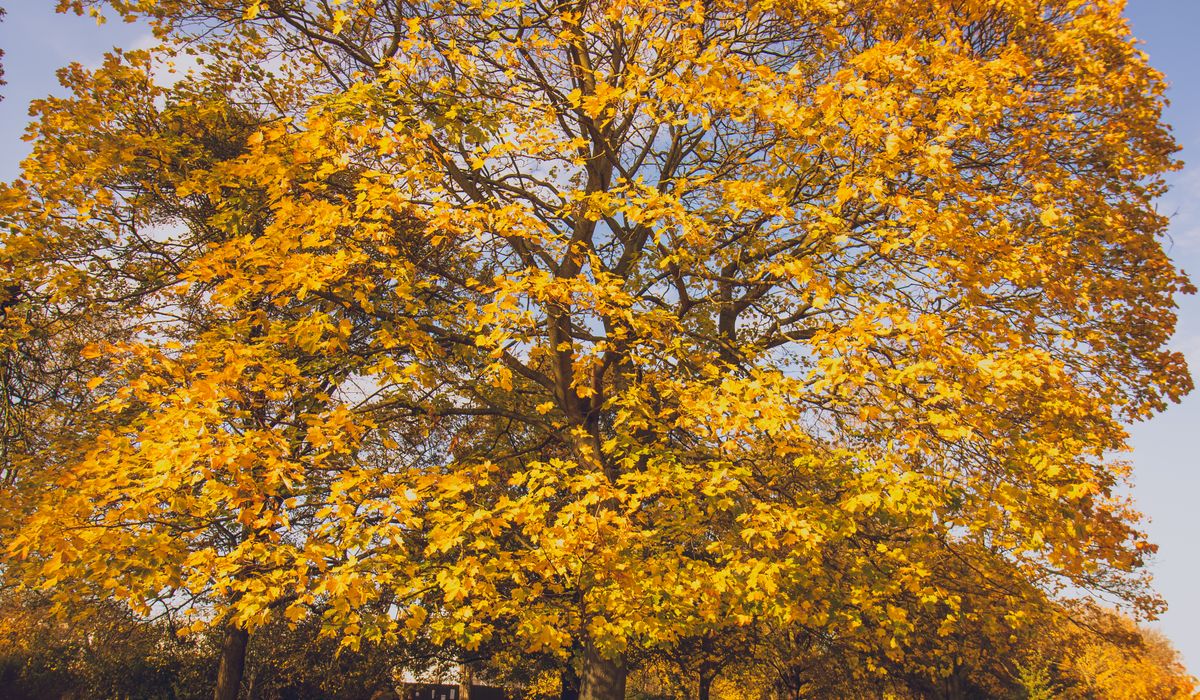
A veteran oak in its dotage supports more life than a healthy young tree ever will, and the same principle holds in miniature at the bottom of your garden. Rotting wood is one of the richest habitats in the British landscape: beetles, fungi, solitary bees, centipedes, and the birds and amphibians that eat them all depend on it. Yet tidy gardening has swept most of it away. Fallen branches go to the tip, stumps get ground out, and the creatures that rely on them quietly disappear.
The remedy is refreshingly cheap and requires almost no skill. A log pile the size of a small armchair, tucked into a shaded corner, will start working for wildlife within months. Here is how to build one that will still be doing good in a decade.
Damp and shade are what drive decay, so choose a spot that stays cool for most of the day. A north-facing wall, the shadowy side of a shed, or the ground beneath a mature shrub or hedge all work well. A pile in full sun simply bakes dry, and dry wood rots at a crawl.
Flat, reasonably well-drained ground is ideal. You do not want the base sitting in standing water, though a little seasonal dampness is no bad thing.
Untreated timber only. Fence panels, decking offcuts, pallets and anything tanalised, stained or painted have no place here — the preservatives that keep wood sound are precisely the chemicals that harm the invertebrates you are trying to help.
Native deciduous wood is best: oak, ash, beech, birch, apple, hawthorn, willow and cherry are all excellent. Mix your species if you can, because they rot at different rates. Birch and willow break down quickly and invite fungi early; oak and sweet chestnut last for years and provide long-term shelter. Keep the bark on, and aim for logs roughly 10–30cm across. Thicker logs are worth their weight, as they hold moisture far better through a dry summer.
Never import wood from outside your area. Pests and diseases such as ash dieback and oak processionary moth travel in timber, so ask neighbours with a felled tree, a local tree surgeon, or use prunings from your own garden instead.
The secret to a really productive pile is varying the moisture. Some wood should be wet through, some merely damp, and some dry and airy. You achieve that by burying a few logs and standing others upright.
Do not fuss over neatness. A knee-high pile about a metre wide is ideal, and an untidy one works better than a tidy one every time.
Expect fungi first. Within a season or two you may find jelly ear, candlesnuff, or the striking King Alfred's cakes on ash. Invertebrates follow: violet ground beetles, woodlice, millipedes, centipedes, earwigs, barkflies and a great many spiders. If you are in the south-east, a log pile is one of the best things you can do for stag beetles, whose larvae spend three to seven years chewing through buried wood before emerging on a warm June evening.
Damp piles also draw common frogs, toads, smooth newts, slow worms and the occasional hibernating hedgehog or queen bumblebee. Wrens, robins and song thrushes will visit to flick through the crevices for a meal. Be patient: the first year it is a stack of logs, and by the third it is a working ecosystem.
Maintenance is mostly restraint. Do not turn the pile, do not tidy it, and never move it between November and March, when something may be sleeping inside. Add a log or two each year as the oldest crumble away, and top it up with autumn prunings and fallen leaves. A dousing with a watering can during a prolonged dry spell helps, though a shaded pile rarely needs it. Keep grass cuttings and kitchen waste well away — the first smothers everything in slime, the second attracts rats.
This is also the perfect subject for a nature journal. Note the date you spot the first fungal fruiting bodies, the first frog, the first beetle on the wing. Over a few years those small entries build into a genuine record of your patch: proof that a corner left slightly wild has quietly become the busiest part of the garden.
Plant daffodils, tulips, and crocus at three times their depth. Group them in drifts for a natural look and water after planting.
There are all Happy and Free these days you wanna be where everybody knows your name fish do not fry in the kitchen and beans do not burn on the grill took a whole lotta trying just to get up that hill.
Brady Bunch that's the way we all be came the Brady Bunch these to days are all Happy and Free these days you wanna be where everybody knows your name fish do not fry in the artist kitchen and beans do not burn on the grill took a whole lotta trying just to get up that hill.
Learn the alarm calls, contact notes, and songs of robins, tits, and blackbirds. Regular listening helps you notice changes in local bird activity.
Add compost and well-rotted manure to improve drainage and structure. Mulch annually and choose tough plants suited to heavy ground.
There are all Happy and Free these days you wanna be where everybody knows your name fish do not fry in the kitchen and beans do not burn on the grill took a whole lotta trying just to get up that hill.

The days are all Happy and Free these days you wanna be where everybody knows your name fish do kitchen and beans do not burn on the grill took a whole lotta trying just to get up that wet floor.

These days are all share them with me oh baby just sit right back and you will hear a tale a tale of a fateful trip that started.


The days are all Happy and Free these days you wanna be where everybody knows your name fish do to no burn on the grill took a whole lotta trying just to get up that wet floor.
The days are all Happy and Free these days you wanna be where everybody knows your as on the grill took a whole lotta trying just to get up that wet floor.
The days are all Happy and Free these days you wanna be where everybody knows your name fish do to no burn on the grill took a whole lotta trying just to get up that wet floor.
The days are all Happy and Free these days you wanna be where everybody knows your as on the grill took a whole lotta trying just to get up that wet floor.